
Cities are loud, fast, and overflowing with concrete. But quietly standing between skyscrapers and traffic lights are the true guardians of urban life: trees. Most people pass them every day without realizing how much they do behind the scenes.
Urban trees are far more than decoration. They lower temperatures during brutal summers, absorb pollution from cars, reduce flooding by soaking up rainwater, and even improve mental health. Studies have shown that neighborhoods with more greenery often report lower stress levels and stronger community bonds. A simple walk down a tree-lined street can calm the mind more effectively than scrolling endlessly through social media.
What’s fascinating is how resilient these trees are. Unlike forest trees that grow in rich soil and open space, city trees survive in cramped sidewalks, polluted air, and limited water. Yet they continue to grow, adapt, and provide shade for strangers who may never notice them.
There’s also an emotional side to urban trees. Many cities have “heritage trees” that have witnessed generations come and go. Some stood through wars, protests, celebrations, and changing skylines. They become silent historians rooted in one place while the world transforms around them.
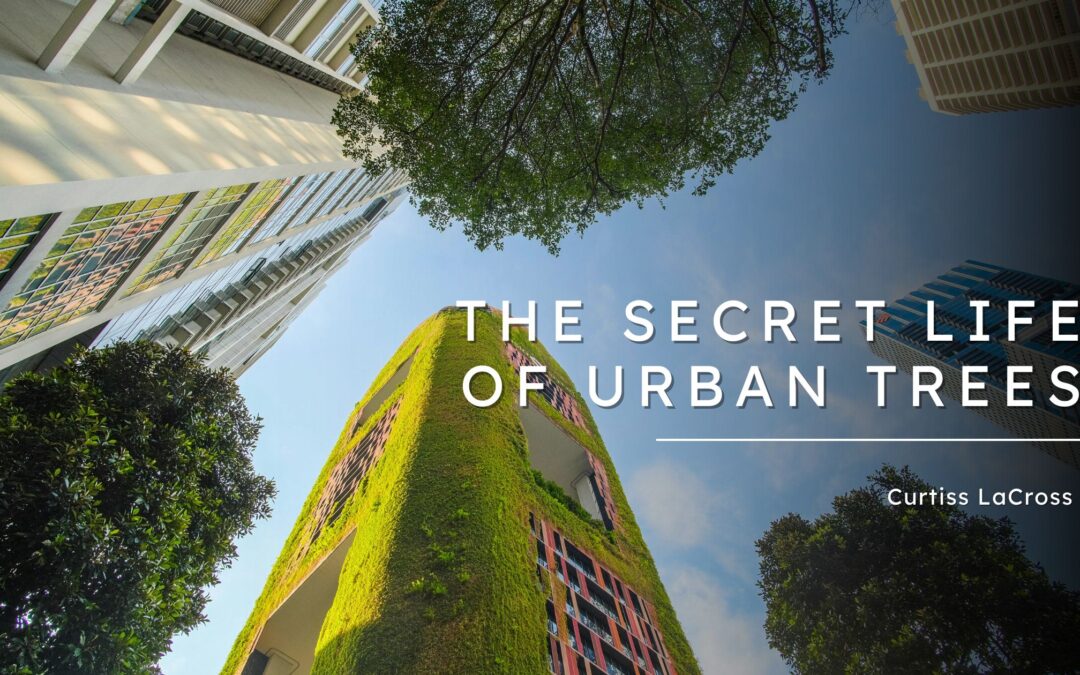
In recent years, urban planners have started recognizing the importance of green spaces more seriously. Rooftop gardens, vertical forests, and tree restoration projects are becoming symbols of healthier cities. The future of urban living may not just depend on technology, but on how well we coexist with nature within our cities.
The next time you walk past a tree on a busy street, pause for a second. That tree may be doing more for your wellbeing than you realize.